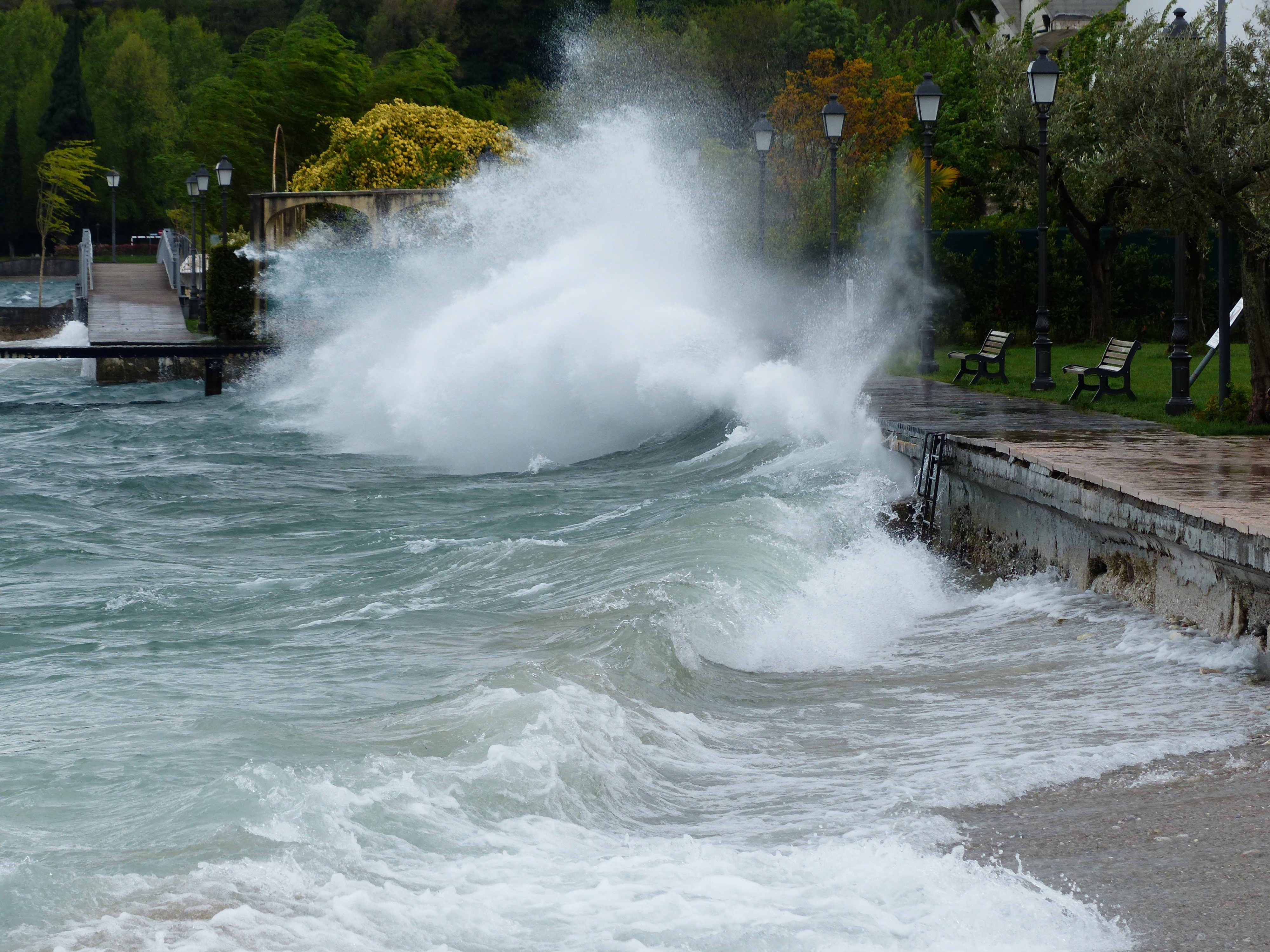
Boat Insurance and Named Storms: What to Know
The best time to prepare for a named storm is when there is no immediate threat.
It certainly isn't when the Weather Channel meteorologist puts on their windbreaker and starts pointing at red on the radar. By then, it’s often too late. Not just to secure your vessel, but to make sure your boat insurance policy actually has your back in a meaningful way.
We firmly believe that planning for a major weather event before it’s physically knocking on your door is the best way to avoid a financial disaster.
Here are a few things to know and look out for:
First Things First: What Is a Named Storm?
Let’s take a beat before we get into the fine print. It helps to first understand what triggers "named storm" status.
Storms get a name once they develop a rotating circulation pattern with sustained winds of at least 39 mph. At that point, the National Hurricane Center (NHC) assigns it an official name (e.g., Tropical Storm Alex).
If those winds escalate to 74 mph or higher, the NHC reclassifies it as a hurricane.
For a deeper look into storm classifications, check out our Guide on Named Storms.
Where Named Storm Coverage Comes In
Named Storm Coverage protects your vessel against damage caused by tropical depressions, tropical storms, and hurricanes.
Given the severe wind and flooding these storms pack (and how quickly repair costs can add up), this coverage is often one of the most critical parts of your policy if you live in a storm-prone area.
In fact, many insurers may ask for your plan to protect against a named storm during the application process.
Key Policy Checks
With the definition stuff covered, let’s get down to business. Here are some important policy details to review:
1. Check Your Named Storm Deductible
Most boat owners know their standard deductible, but named storms often have their own separate rules.
Where to look: Pull up your policy Declarations Page. Look specifically for a line item labeled "Named Storm Deductible," "Hurricane Deductible," or "Windstorm Deductible."
What you're checking for: See if that deductible is a flat dollar amount (like $500) or a percentage of your coverage (usually between 2% and 10%).
Why that difference matters: If your boat is insured for $50,000 and your policy lists a 5% Named Storm Deductible, your out-of-pocket cost is $2,500 before insurance kicks in. Knowing this info ahead of time helps to prevent any surprises down the road.
For more information, check out our guide on Understanding Named Storm Hurricane Coverage.
2. Look into Hurricane Haul-Out Coverage
When a major storm is approaching, getting your boat out of the water and onto land or into a secure storage facility is often its best shot at coming through unscathed.
Unfortunately, professional haul-out services, crane fees, emergency transport, and last-minute yard storage aren't cheap. This is especially true when every other boater in your harbor has the exact same idea at the exact same time.
Look into Hurricane Haul-Out Coverage. This can help cover a portion of those haul-out and storage costs before a named storm hits.
3. Consider Binding Restrictions
Nobody likes thinking about insurance until they absolutely have to. We get it. But if there’s one time procrastinating can really come back to bite you, it’s when a major storm starts heading your way.
If the NHC issues a watch or warning for a specific area, insurance companies may put binding restrictions in place. That could mean you can’t purchase a new policy or make certain changes to the one you already have until the storm passes.
What to do: If you know your policy needs an update, don’t wait. Get your coverage, limits, and deductibles squared away now.
How to Update Your Coverage at SkiSafe
We make it as painless as possible to adjust or add coverage to your SkiSafe policy. You can log into your online account and update your policy directly on our website in just a few minutes.
Prefer to talk it through with someone first? Our underwriting team is always happy to help you review your options before you make any changes:
- Phone: (800) 225-6560
- Email: customer@skisafe.com