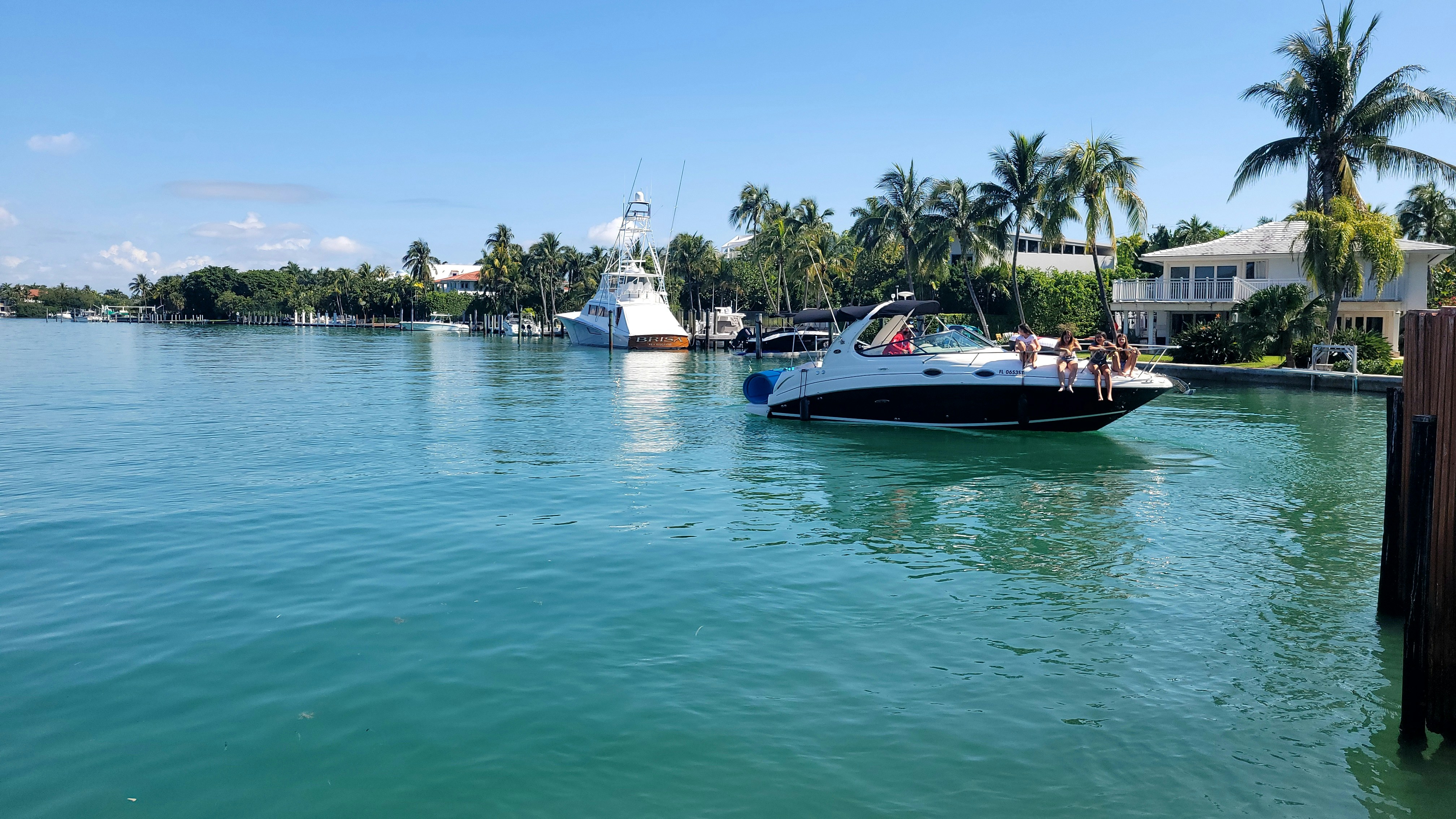
The First Warm Weekend: Are You Ready to Launch?
The weather app FINALLY says 75° and sunny. The marina parking lot is pure chaos. It’s the weekend where everyone collectively decides: We’re launching.
But first, let’s make sure you’re ready. Take a few minutes and run through our Spring Launch Checklist.
Step 1: Check Safety Equipment
Before you think about performance, start with safety.
Personal Flotation Devices (PFDs)
Every vessel must carry U.S. Coast Guard-approved life jackets:
- Boats under 16 feet: One wearable Type I, II, III, or V device per person.
- Boats 16 feet and over: One wearable device per person, plus one Type IV throwable device.
Tip: Check sizing (especially for kids), straps, buckles, and fabric condition.
Check out our Life Jacket Guide for more information.
Fire Extinguishers
Requirements vary by vessel length:
- Under 26 feet: One B-I extinguisher
- 26–40 feet: Two B-I or one B-II
- 40–65 feet: Three B-I or one B-II and one B-I
Tip: Check expiration dates and pressure gauges. Also, how accessible is your fire extinguisher? Being buried under equipment and supplies doesn’t help in an emergency.
Visual Distress Signals
- Under 16 feet: Night-use signals required when operating between sunset and sunrise.
- 16 feet and over: Minimum of three day-use and three night-use pyrotechnic devices.
Tip: Check expiration dates and store in a dry, easily accessible spot.
Sound-Producing Devices
- Under 39.4 feet: A horn, whistle, or sound-producing device is required.
- 40 feet and over: A sound device plus a bell capable of a 4-second blast that can be heard for half a mile.
Tip: Test your horn before you leave the dock.
More Safety Checks
- Backfire Flame Arrestors: Required on all gas-powered engines
- Marine Sanitation Devices: Must meet Coast Guard certification requirements
- Waste Management Plan: For vessels over 39.4 feet
- Ventilation Systems: Make sure they are operational
- First Aid Kit: Make sure it’s fully stocked
Step 2: Confirm Documents & Insurance
Next up, the paperwork portion of this to-do list. AKA the not-so-fun but very important stuff.
Make sure you have:
- State-issued Certificate of Number properly displayed
- Federal registration documents (if applicable)
- Coast Guard Certificate of Documentation (if applicable)
- Current insurance documents onboard
Tip: If you’ve made upgrades over the winter (new electronics, motor upgrades, added equipment, etc.), now is the time to review your policy and confirm coverage.
» MORE: Does Boat Insurance Cover Personal Property
Step 3: Check Electrical Systems
Winter storage can be tough on batteries and wiring. Before launch:
- Examine all electrical connections
- Charge and reinstall batteries
- Clean and tighten terminals
- Apply insulating grease to battery posts
- Test navigation lights and onboard electronics
Step 4: Engine & Fuel System Review
Inspect and service:
- Engine and transmission cooler zincs
- Engine mounts
- Heater plugs (if applicable)
- Fuel filters
- Engine air filter
- Oil cooler and oil reservoir levels
- Hose clamps for corrosion
- Bilge and engine pan cleanliness
- Oil absorbent pads
Also, inspect fuel lines and check for old or contaminated fuel before your first run.
» RELATED: How To Prevent Fuel Spills
Step 5: Belts, Hoses & Steering
Check:
- Hoses and clamps for leaks or corrosion
- Exhaust elbows
- Engine belts
- Steering controls and linkage
- Wear ring and impeller
Step 6: Trailer Inspection (If You Have One)
Don’t skip this step if you trailer!
- Rinse and inspect for rust
- Grease wheel bearings
- Lubricate coupler and tongue jack
- Inspect trailer lights
- Check tire pressure and tread
Step 7: Hull, Propellers & Outdrives
More to check and inspect…
- Clean propeller growth and inspect blades
- Examine shaft and boots
- Service hull seacocks
- Install new zinc anodes if needed
- Inspect hull for cracks or blistering
- Check hydraulic trim fluid
- Inspect lower-unit lubrication levels
- Replace the raw water pump impeller and gasket
- Clean raw water strainers
Step 8: Water System & Exterior
If your boat has a water system:
- Replace the holding tank filter
- Commission the fresh water system
- Fill the water tank
- Remove non-toxic antifreeze
- Test pumps and faucets
On deck:
- Prep and paint the bottom as needed
- Clean swim platform and ladder
- Add cushions
- Check upholstery for wear and tear
Step 9: Sailboat Rigging (If You’re a Sailor)
For sailboats:
- Inspect swage fittings
- Check halyards and sheets for wear
- Inspect wires for fishhooks
- Lubricate turnbuckle threads
- Inspect chain plates for rust or leaks
Final Walkthrough
- Confirm drain plug is installed
- Test bilge pump operation
- Verify throttle and steering response
- Check fuel levels
And take your time with this. Rushing is when mistakes happen.